Let’s face it: as leaders, we want to be respected by our teams, and be seen as someone they can trust and look up to.
But how do you become that leader?
There is no shortage of flashy leadership advice out there, but sometimes what helps is knowing what not to do.
After 20+ years in tech and leadership, I’ve seen projects fail, and people’s careers being sabotaged… all due to these 7 poor leadership habits.
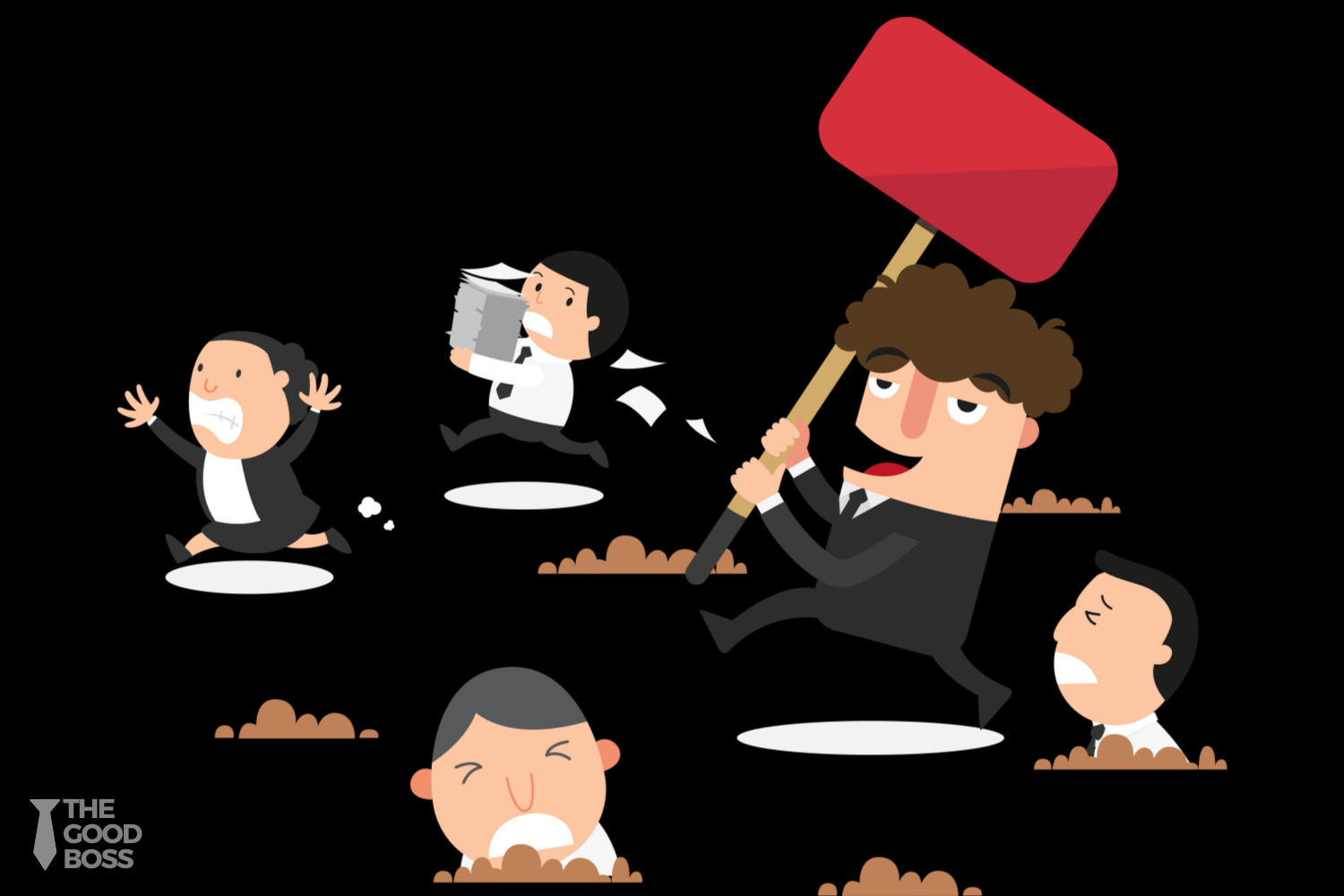
Let’s make sure you’re not falling into any of them.

Habit #1. They confuse control with leadership
Micromanagement, endless approvals, and constant check-ins.
These leaders think being “in control” is the same as being “in charge”.
It’s not.
In fact, control is often a symptom of an underlying fear: fear of failure or fear of being seen as weak. When micromanaged, teams stop thinking for themselves. They wait to be told. And when something finally breaks, the leader wonders why no one stepped up.
👉🏼 Better habit: Delegate real ownership and let your team surprise you.
🛠️ Frameworks to try out:


Habit #2. They always have the final word
Whether it’s brainstorming, planning, or making decisions, ineffective leaders need to be the smartest person in the room.
They stop listening, and rush towards decisions.
This behavior doesn’t just kill creativity, it builds a silent culture of fear. Team members stop sharing their ideas, they stop pushing back, and ultimately they stop engaging.
Slowly, the team becomes silent, and the worst part is this: The leader thinks everything is going great, because no one dares to challenge them.
👉🏼 Better habit: Ask more questions than you give answers. Let your team think with you, not just follow you.
🛠️ Frameworks to try out:


Habit #3. They reward outcomes, not effort
Ineffective leaders chase, and praise, results, but ignore the process.
Chasing results isn’t bad, but when they ignore the effort or experimentation, they indirectly send the message to their team that ‘failure is not an option.’
This creates a hustle culture, where everyone is chasing success, and nobody wants to take risks. Over time, the team becomes stagnant, because they haven’t learnt how to ‘grow’.
👉🏼 Better habit: Reward smart risks, even when they don’t succeed. That’s how your team grows.
🛠️ Frameworks to try out:


Habit #4. They avoid hard conversations
Ineffective leaders delay ‘real’ feedback. They sugarcoat bad news and dodge conflict.
It feels kind in the moment, but it builds confusion, and resentment over time.
Most leaders avoid hard conversations because they ‘care’, not because they’re lazy. But in trying to protect someone’s feelings, they end up doing long-term damage. A missed feedback moment becomes a pattern, and a skipped conflict becomes a breakdown.
👉🏼 Better habit: Be direct and kind. Your team deserves the truth, with humility.
🛠️ Frameworks to try out:


Habit #5. They chase every shiny object
These leaders love new tools, trends, and they are have the habit of over-promising on what they can deliver. And the result is that their teams are left exhausted and burned out, constantly switching directions with no clear finish line.
There’s a fine line between being adaptable and being chaotic.
When everything is a priority, nothing is.
👉🏼 Better habit: Protect your team’s focus. Strategy means saying no, not yes.
🛠️ Frameworks to try out:


Habit #6. They hide behind busyness
They’re always “too busy”, running from offsite meetings to project reviews. From operational meetings to planning meetings.
They’re so busy they have no time for the meetings and interactions that matter most: 1:1s, coaching, feedback, recognition, or just listening.
Their busyness is not leadership. It’s avoidance.
Busyness gives the illusion of importance, but it’s often just a shield. It’s a way to avoid the hard, human parts of leadership: coaching, mentoring, and growth. If your team can’t get your time, they won’t give you their trust.
👉🏼 Better habit: Make time for your people. Your calendar shows your real priorities.
🛠️ Frameworks to try out:


Habit #7. They never look in the mirror
When they need to find fault, ineffective leaders look outward: they blame the team, the market, the process. Sometimes… the politicians.
But never themselves.
This is the most dangerous habit, because it blocks all the others from changing.
Self-awareness and self-reflection are the foundation of leadership growth. Without that, you’re stuck repeating the same mistakes in different situations, often wearing different costumes.
If everything bad that happens is someone else’s fault, you’re giving away your power to change anything.
👉🏼 Better habit: When diagnosing a problem, look inward before looking outward.
🛠️ Frameworks to try out:


Final Thoughts
Bad leadership habits are subtle, and they creep in quietly.
Awareness is the first step. Now you know what to look for, and what to change.
Which is one habit you’re going to change this week? Drop your thoughts in the comments below 👇
❤️ Found this helpful?
If you found this post helpful, please like and share it with other managers who can benefit from it, including your boss :) If you have any feedback, please drop your comment below - it helps me keep improving the content. Thank you!