

Most managers play by the “book”.
They try to lead by being “fair”, “balanced”, and “by the rules.”
But here’s the harsh truth: the most impactful leaders don’t play fair, they play smart.
They’ve figured out ways to build trust, get results, and energize their teams without burning out or babysitting. These tactics aren’t unethical, but let’s face it - they feel a little… off.
Almost like cheating.
And that’s exactly why they work.
In this article, we will go through the 6 leadership tactics that might feel sneaky, but work like magic.

To add some fun, I’ve paired each tactic with a cartoon strip (if you like cartoons, or not, don’t forget to give this post a like and share!)
Ready? Let’s go!

1. Overcommunicate Until It’s Almost Embarrassing
“Isn’t this micromanaging?” No. It’s clarity on steroids.

You might think you’re being clear. You’re not.
As leaders, we often assume one announcement is enough.
One message in the team meeting.
One email.
Maybe a Slack post.
But clarity comes from repetition. Say it again, and again. Then say it one more time, in a different format.
I know, it may feel like an overkill. But remember: your team is juggling a hundred things. Your message isn’t always their priority, and they miss your slack message in the middle of a hundred other things. When you overcommunicate, you reiterate and reinforce your message. This helps to increase alignment, and really get the message across.
Cheating move: Communicate the same message in 3 formats (live, email/slack, async)
Frame to use: 🛠️ The Three Stages of Communication in Leadership
2. Give Away Credit Like Candy
“But won’t I become invisible?” Yes, and No.

You didn’t just coach that person.
You made the call.
You cleaned up the deck.
You wrote half the strategy.
So why let them take the credit? Because that’s how you build trust.
I know, giving credit when you could claim it yourself may look like self-sabotage. But trust me: it’s not. Doing this consistently, especially for your key people, will create loyalty, and give them confidence.
And ironically, this will increase your visibility and rapport as a leader.
Cheating move: Publicly praise others for things you quietly fixed
Framework to use: 🛠️ Maslow’s Hierarchy of Needs in Leadership
P.S. If you’re enjoying reading this article, I’ll appreciate it if you would take 2 seconds and hit the ❤️ button and share/restack 🔁 it with others who might find it helpful. You can also subscribe to The Good Boss for more posts like this every week. Thank you! 🙏
3. Set Deadlines That Are Closer Than Necessary
“Are you being manipulative?” Maybe. But intentionally.

I know, this one feels manipulative. But used sparingly, it could be a game-changer.
Give your team just enough time to deliver, not endless time to perfect their work.
Let’s face it: most tasks expand to fill the time given (hello, Parkinson’s Law!). When you set tight deadlines, it creates urgency. It cuts down unnecessary overthinking, or it helps your team get comfortable with faster execution (and not worry too much about perfection).
Done is better than perfect.
Needless to say, you want to make sure you’re not undermining quality. Your deadlines should be tight, but practical.
Cheating move: Build in 20% less time than you think the task needs
Framework to use: 🛠️ Parkinson’s Law: Why You’re Always Busy and What to Do About It
4. Treat High Performers Better
“Isn’t that favoritism?” Kind of.

I’ll just say it: equality is overrated.
Not everyone in your team needs the same level of attention, flexibility, or feedback. And when you treat your top performers like everyone else, you give them the signal that they don’t matter, and they may start looking out.
Leading fairly isn’t the same as leading equally.
So, how do you do it?
Stretch your star performers
Give them space and trust
And then, watch them fly.
Cheating move: Customize your leadership style based on performance
Framework to use: 🛠️ Situational Leadership: When to Coach, When to Direct, and When to Step Back
P.S. Feedback is a gift! 💬 If you’re finding this post helpful, would you do me a favor and leave a quick testimonial here, and as a thank-you, I’ll send you a free copy of my book! It only takes a couple of minutes - thank you! 🙏
5. Say “No” To Most Things, with a Smile.
“You’re paid to say yes, right?” Nope.
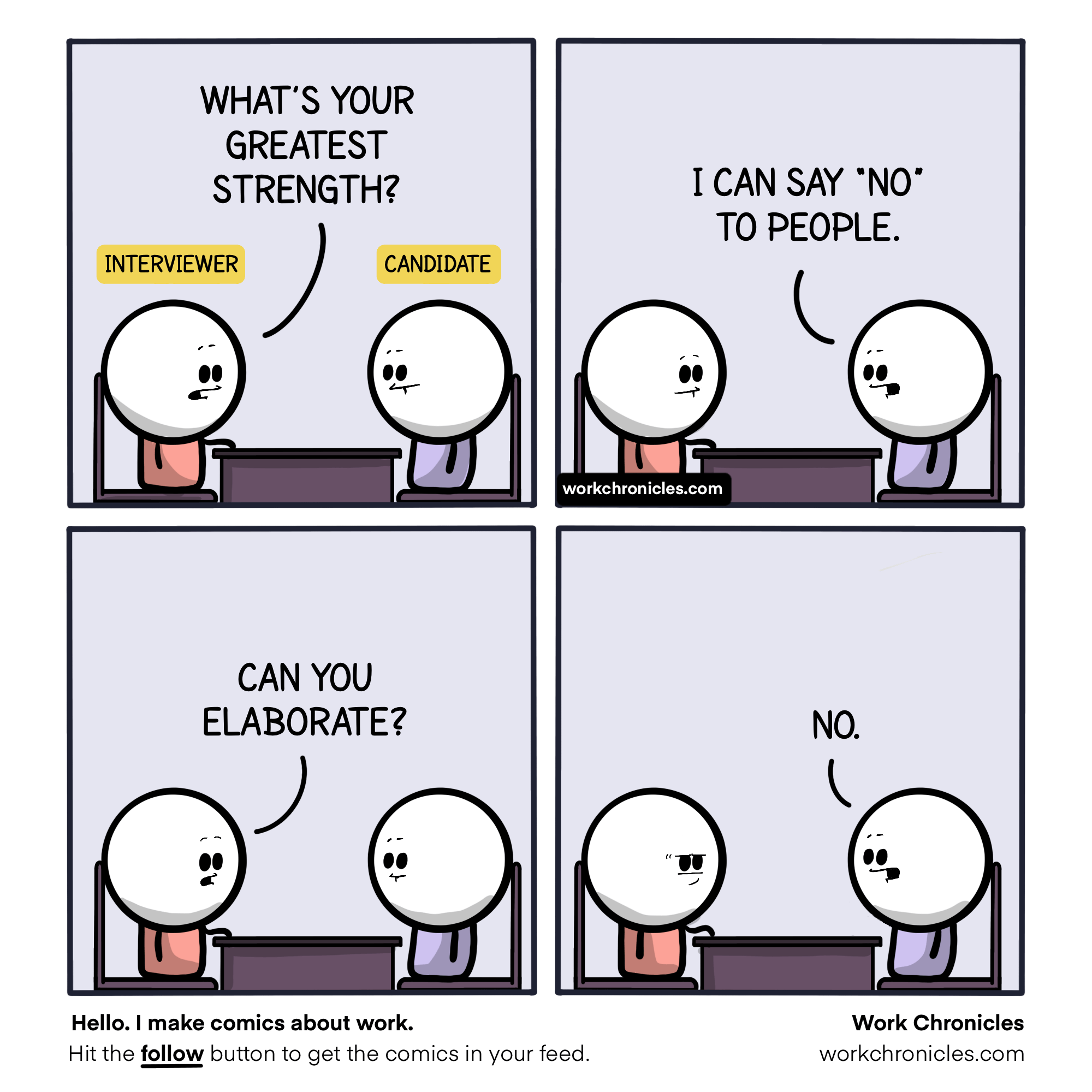
You don’t need more tasks. You need more focus.
The more impactful leaders don’t try to please everyone. They’re ruthless about protecting their time, energy, and direction.
And that means saying no to “good” ideas so they can say yes to the great ones.
Remember: the most precious resource you have is your time. Protect it like your life depends on it, because it does.
Cheating move: Don’t prioritize your schedule. Instead, schedule your priorities.
Framework to use: 🛠️ Mind Boxing: How Leaders (Should) Spend Their Time
6. Be Brutally Honest (Even When It’s Uncomfortable)
“Aren’t you supposed to protect people from the messy stuff?” That’s the point.
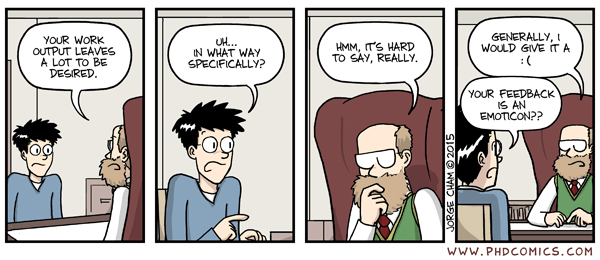
Most leaders “filter” feedback. They think that their team members won’t be able to “take it”.
They hold back the hard truths.
They sugarcoat the constructive feedback.
But you know what: you’re not leading a kindergarten, you’re leading a team of “adults”. And when you treat adults like adults, something powerful happens. People rise to the challenge.
Transparency and honesty build trust, even when the news is bad. Or should I say, especially when the news is bad.
Cheating move: Share what needs to be said, with empathy and humility.
Framework to use: 🛠️ Radical Candor: How to Be Direct Without Being an Asshole
P.S. If you’re constantly juggling fires, decisions, and people issues, and ready to bring more clarity, calm, and intention to your leadership, that’s why I built The Ultimate Leadership Toolkit Bundle, powered by The Leadership Mastery System™.
In Closing
So yes, these tactics might feel like cheating. But they’re not.
Clearer communication, fewer decisions, and more trust.
When you adopt these tactics, you’re not cutting corners, you’re actually cutting through the noise.
Your turn: Try one of these tactics this week. See what happens. I would love to hear how that goes for you.
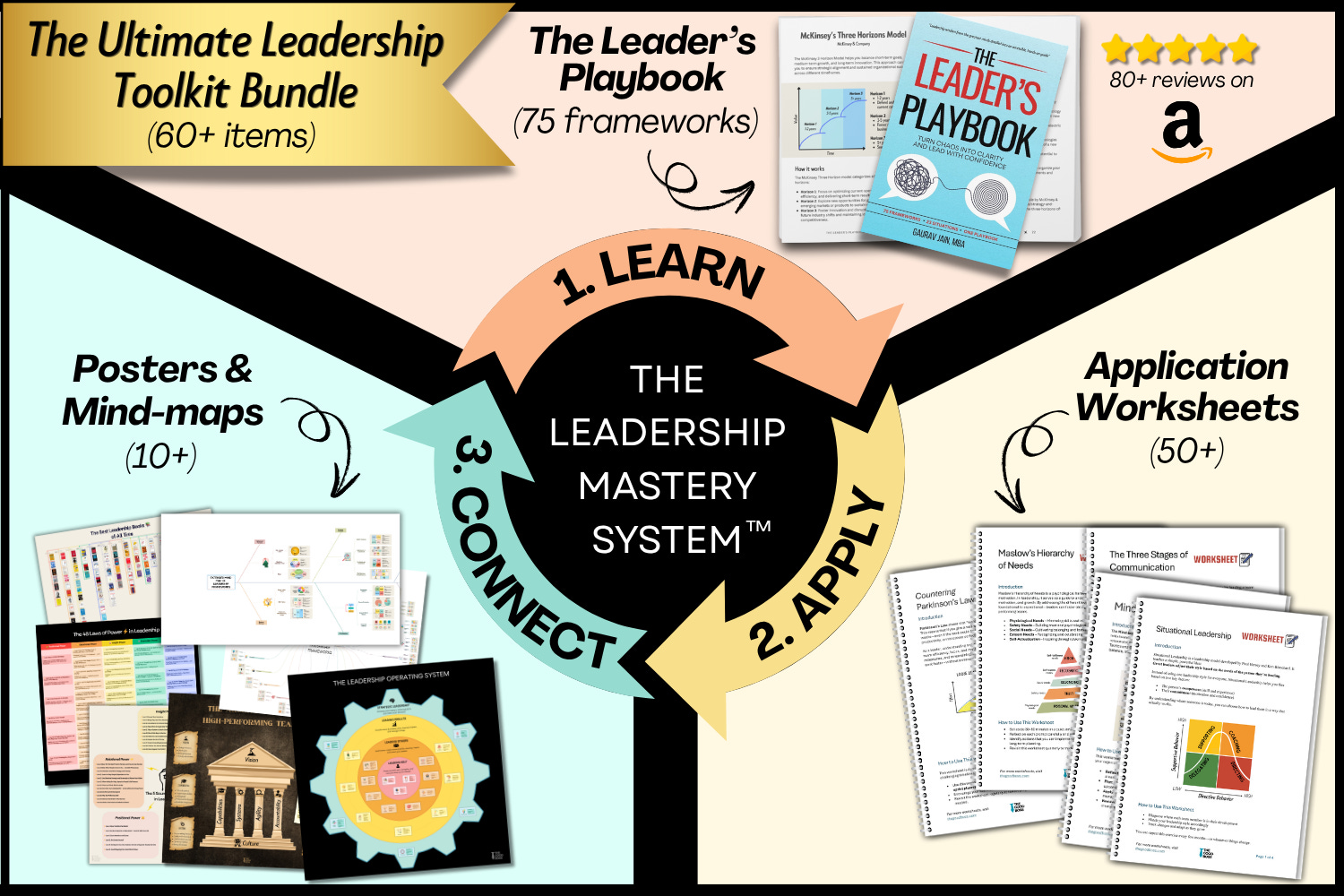
The Ultimate Leadership Toolkit Bundle
🚀 Ready to go deeper and expand your leadership toolkit to a whole new level? Check out The Ultimate Leadership Toolkit Bundle.
Based on The Leadership Mastery System™, the toolkit helps you master leadership in four proven steps: Learn → Apply → Visualize → Connect. The bundle includes application guides, mind-maps, posters, worksheets, and much more (a total of 60+ items.)👇
What to read next…


The Good Boss is funded by paid subscriptions from readers like yourself. If you aren’t already, consider becoming a paid subscriber to receive the full experience!

PS: If you’re enjoying The Good Boss, I will appreciate it if you would take 2 seconds and hit the ❤️ button and share/restack 🔁 it with others who might find it helpful. Thank you!
Also, I’d love your feedback! 💬 Leave a quick testimonial here, and as a thank-you, I’ll send you a free copy of my book! It only takes a couple of minutes - thank you! 🙏
I lost the first comment so I will try again, Two of the comments resonated with me . You can give honest feedback without being vindictive, In fact candor well done will help
More than hurt. But do not wing it, especially if the person is trying.
The second comment which got a bit of pushback was on over communication. You have to know there is a clear understanding. There is a great church leadership book where the Senior Pastor said if if was important it was important to get right. He said it was easy to do hippie leaders
Great list
I’m on board with almost all of these—except overcommunication. It often feels like micromanagement to me and takes away a sense of ownership from the team.