

As a manager, you’ve been told to be empathetic, vulnerable, “nice”.
That’s the modern leadership mantra, right? Create psychological safety, make space for feelings and show up as your full self.
But in reality, sometimes, that doesn’t work.
Sometimes, the “nice” boss creates chaos. The always-available manager burns out. The empathetic leader gets walked all over.
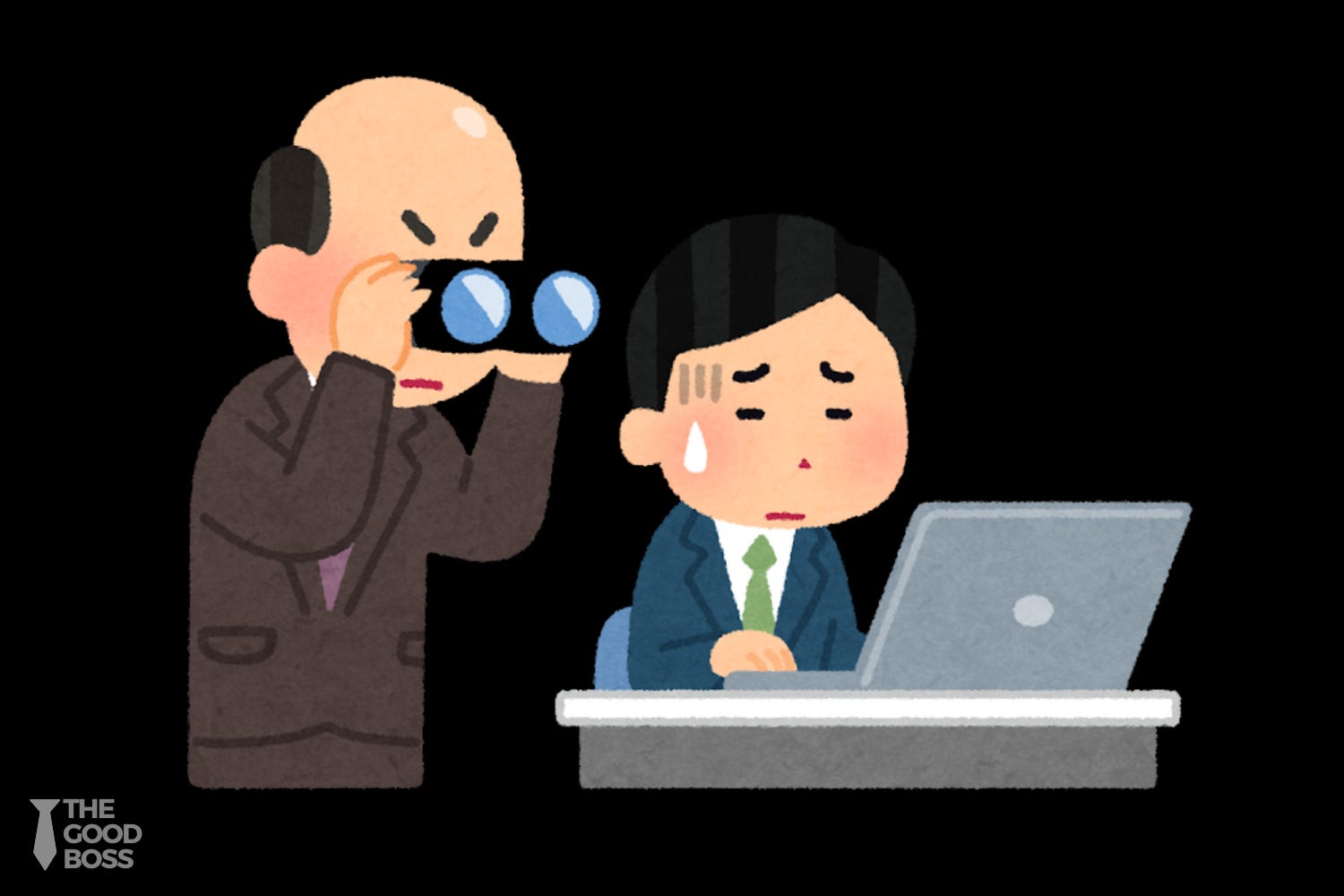
And meanwhile, the team with the so-called “toxic boss” - the one who is blunt and demanding - is performing and growing.
And strangely enough, that “toxic boss” is respected.
So what’s going on?
Here’s the thing: traits we call “toxic” aren’t inherently bad. In fact, when used with care, timing, and clarity, they’re exactly what your team needs.
Now that I have you excited, let’s look at six ways to be the “toxic boss” your team secretly wants.

1. Be Direct (Even When It Feels Harsh)
We all love a kind leader.
But clarity > kindness.
Too often, managers wrap feedback in so many cushions that the message gets lost.
I remember one of my “kind” bosses gave me feedback like this: “You’re doing great. Just one tiny suggestion if you’re open to it - maybe consider, possibly…”
At the end of it, I walked out confused and demotivated.
A McKinsey study found that clarity of expectations was one of the top drivers of employee engagement and performance.
Let’s face it: your team wants to grow. That requires feedback that’s honest, timely, and unfiltered.
That means saying:
“This presentation wasn’t clear. Let’s fix it.”
“You’re not ready for that promotion yet. Here’s why.”
“We missed the mark here. Let’s talk about what went wrong.”
People can’t fix what they don’t understand. Be direct, while remaining professional.
Framework to try out:

2. Set Unreasonable Standards
Want to frustrate your top performers? Set low expectations, and let things slide.
Most people don’t rise to the level of their potential, they fall to the level of your standards.
And here’s where the “toxic” label often comes in. When you expect excellence, your team might say you’re too demanding, too unrealistic, too unreasonable.
Ignore that.
Because what feels “unreasonable” at first often turns into someone’s personal best.
Think about every coach, teacher, or mentor who shaped you. Were they easy on you?
Probably not.
Demand more, expect better, and most importantly - believe in your team’s potential. And get ready to be surprised.
Framework to try out:

3. Create Tight Deadlines
Let’s be clear: Burnout is real, but pressure itself is not the villain.
Deadlines and stretch goals don’t destroy teams. They focus them.
Imagine a team with no urgency, no accountability, and no timeline. That’s laziness, not empowerment.
Pressure is actually good when it is paired with support. When you do that, it creates flow - that focused, energizing state where your team does its best work.
So yes, don’t be the boss who lets deadlines slide and easy targets. Instead, be the one who sets bold targets and stretch goals. Be the one who says, “I know this is hard. I believe we can do it.”
Your team doesn’t want a comfort zone. They want to be proud of something that wasn’t easy.
Frameworks to try out:


4. Protect Your Time Like a Tyrant
Let me guess: Your calendar looks like the game of Tetris: back-to-back meetings, no time to breathe or think. Correct?
Many managers confuse busyness with being productive. They fill their calendar to the brink, but have no clue what they did at the end of those ‘busy’ days.
The best leaders are ruthless with their time:
They say no to status meetings with no agenda.
They block focus time like it’s sacred.
They cancel check-ins when there’s no real purpose.
This can feel “toxic” to some - cold, dismissive, unavailable. But in reality, it creates clarity.
When you protect your time, you protect your decision-making, your energy, and your ability to lead.
And best of all: that gives your team permission to do the same.
At the end of the day, leadership is about being effective, not busy.
Framework to try out:

5. Be Emotionally Unavailable (Sometimes)
This one will ruffle feathers.
You’ve been told to be emotionally available. And yes, empathy matters.
But being too emotionally available can create a dangerous trap:
You become the ‘team therapist’.
Every problem becomes your problem.
And soon, you’re no longer leading. You’re babysitting.
Here’s a counterintuitive take: your team grows faster when you step back emotionally.
Why? Because when you do that, you:
Let them wrestle with hard things.
Let them find answers.
Let them experience discomfort.
If you’re always jumping in to ‘save your team’, you’re not giving them the space to become resilient.
Sometimes the most powerful form of support is not intervening.
Frameworks to try out:

6. Prioritize the Mission Over Feelings
As a leader, your job isn’t to make everyone feel good all the time. You’re not a therapist.
Your job is to serve the mission: of the business and of the people. And that means making hard calls such as:
Firing someone who’s underperforming, even if they’re popular.
Killing a pet project that’s draining resources.
Making decisions that disappoint some people, but serve the larger goal.
Some may think it’s heartless, but it’s actually a core leadership responsibility.
Remember: your team members are grown-ups, and they know that decisions are (and should be) based on what matters, not moods or favoritism.
Please don’t get me wrong - of course, you should be respectful and human. But don’t confuse kindness with softness.
If you start prioritizing harmony over truth, feelings over results, your team will feel it, and they will lose trust and motivation.
The core principle: lead with heart and backbone.
Framework to try out:

The Real Definition of “Toxic”
The word “toxic” gets thrown around too easily.
A “toxic” boss isn’t someone who’s clear, demanding, and focused. A toxic boss is someone who:
Abuses power.
Belittles others.
Creates fear without purpose.
That’s not what we’re talking about here. What we’re talking about is the kind of leader who pushes, challenges, and sharpens their team.
That’s the kind of leader that your teams secretly wish they had.
So, what do you think about being such a boss? Let me know in the comments below!
❤️ Found this helpful?
If you found this post helpful, please like and share it with other managers who can benefit from it, including your boss :) If you have any feedback, please drop your comment below - it helps me keep improving the content. Thank you!

Belief is a much more powerful force than pressure. With belief people find their own paths instead of compliance and conformance
Great piece!
Much needed in a time when leadership narrative tortured it into a very fluffy thing.
Good leadership is though to be subjected to and make you do things you didn’t think were possible.
Reminds me of the movie Whiplash, where the music teacher pushes the student BEYOND anything he could have imagined.
Not an easy journey by all means!