

A famous quote by Steve Jobs that I have pinned in front of my desk:
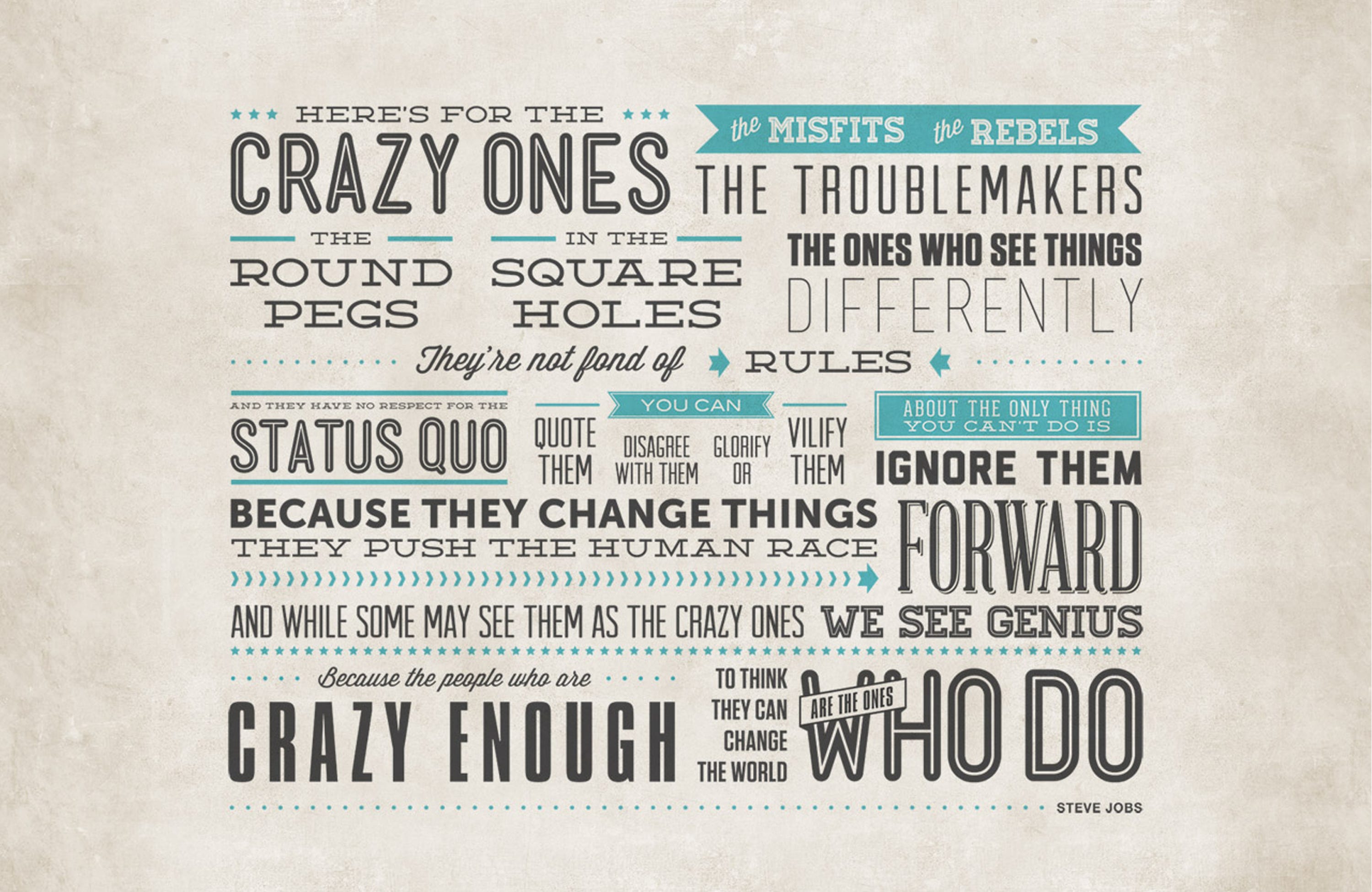
When I read this quote, I get reminded of the best leaders I’ve worked with over the last 20+ years.
These leaders have habits that may sound a little unconventional, in a good way.
In this post, I’m going to share the seven of the most common habits of highly effective leaders, and a few things you can try this week for each one.

Quick aside: Kyoshi, the systems-first leadership coach, is here! Join for free today and check out the full tour to learn more.
Habit #1. Embrace Failure
This morning, as I was walking towards the local MRT station (the Singapore metro trains), I stopped and tried to pay attention to what was going on around me…
People walking briskly down the side walks. Cars speeding off on the street. People lining up (im)patiently at the local coffee shop etc. etc.
What I call the morning “hustle-bustle”.
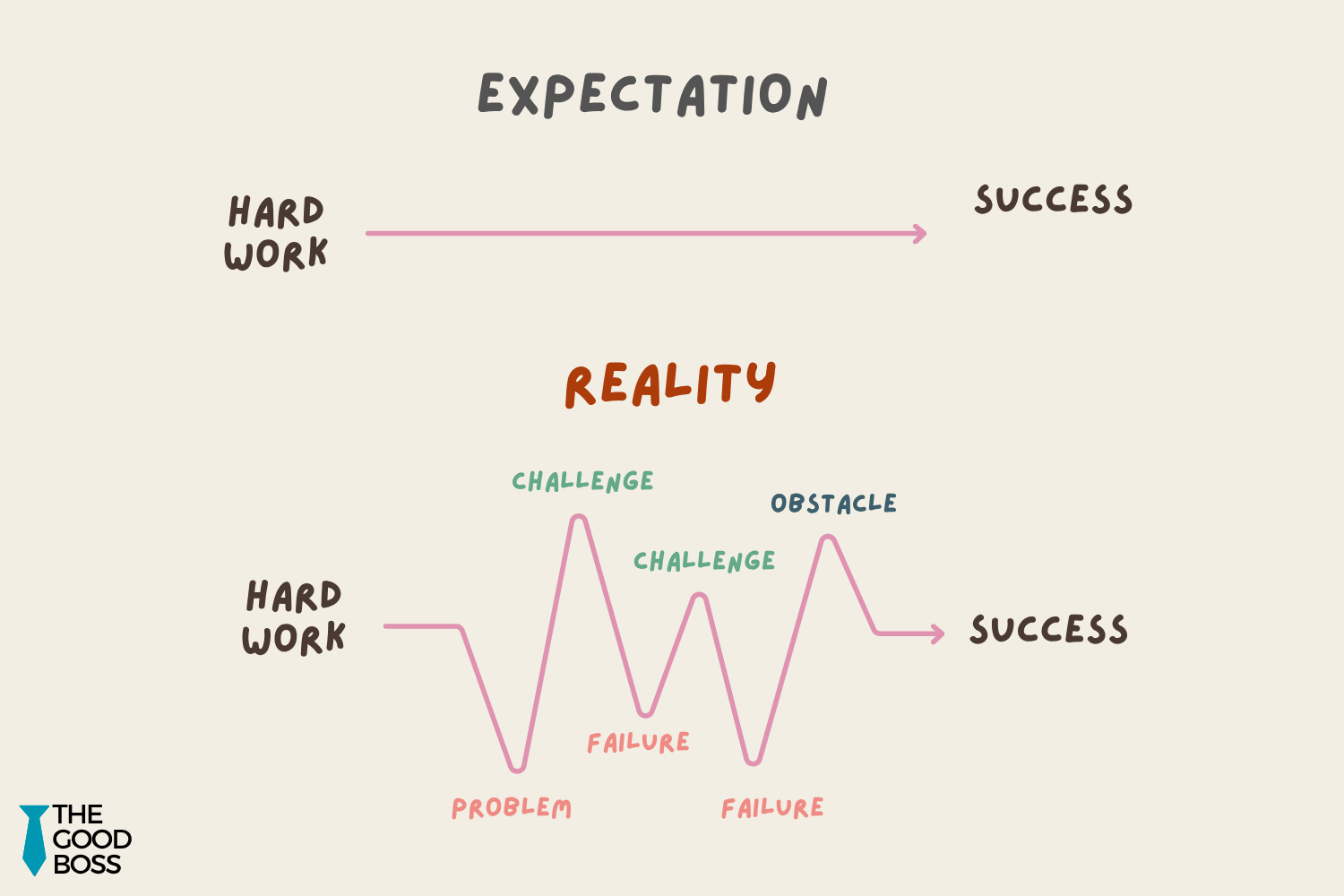
And at that moment I thought about what most of these people were chasing, and I realized that it was one thing, and one thing alone.
Success.
Over the last 100 years, “success” has become almost like a badge of honor. “Failure”, on the other hand, is something we generally like to hide.
Don’t get me wrong…. success is not a bad thing, and the most effective leaders chase it too. The difference is in how they see failure.
To them, it’s a stepping stone on the way to success.
They know failure is an inevitable part of growth. And the sooner you accept that, the better you lead.
Try this week:
In your next team meeting, share one mistake you made recently and what you learned from it. Go first, so others feel safe to do the same.
Pick one small experiment your team keeps debating. Give it a two-week time box, and agree up front what “it didn’t work” looks like.
The next time something breaks, ask “What did we learn?” before you ask “Who did this?”
Frameworks to check out:


Habit #2. Be Authentic
Have you watched the TV series The Office?
I recently watched it for like the millionth time in a long-haul flight. (yeah - that’s my thing)
It’s a comedy, and a hilarious one. But it does capture an old picture of what a manager is supposed to look like.
The main actor, Michael Scott, puts on a show of being the “tough boss” who gets things done. But when you watch it, you know that he has plenty of weaknesses, and he tries really hard to hide them from his team.
For a long time in the corporate history, leaders were expected to be strong, assertive, and in control, and command-and-control was the playbook.
Thankfully, that picture has changed in the modern times.
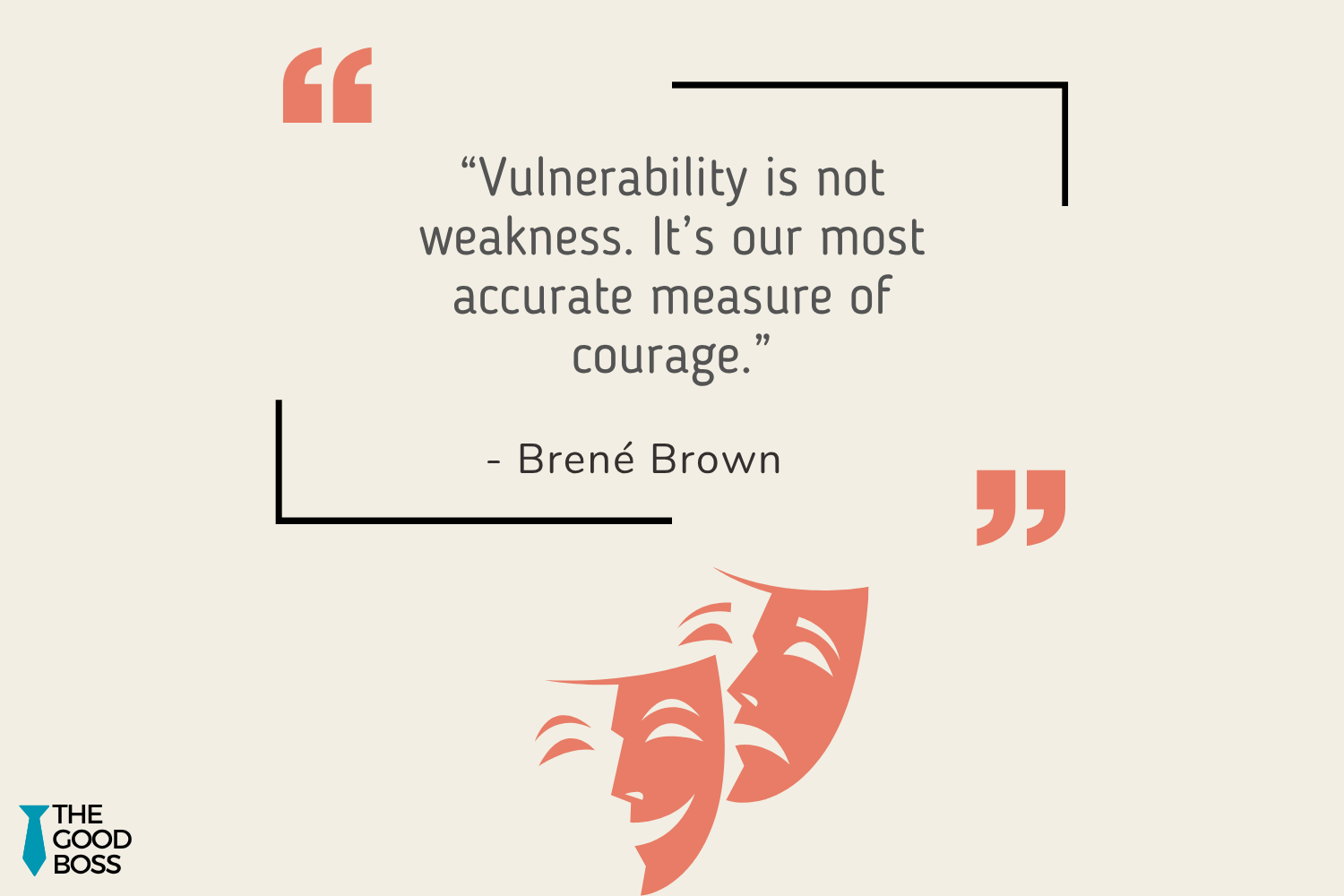
The most effective leaders I’ve worked with are comfortable with their true selves: their strengths, their weaknesses, and yes, even their insecurities. They connect with people on a human level, instead of hiding behind a mask (or a podium, for that matter).
Try this week:
Tell your team one thing you’re working to get better at, and ask them to call it out when they see you slip.
In your next 1:1, say “I don’t know” at least once instead of bluffing an answer.
Write down your top 3 values. Then look back at last week’s calendar and decisions, and notice where they didn’t match.
Frameworks to check out:


Habit #3. Ignore Selectively
Today, we live in a world that is drowning in information.
Emails, Slack pings, and competing priorities are all fighting for our attention, all day long.
And let’s not even talk about AI :)
It’s not humanly possible to catch every ball thrown at us.
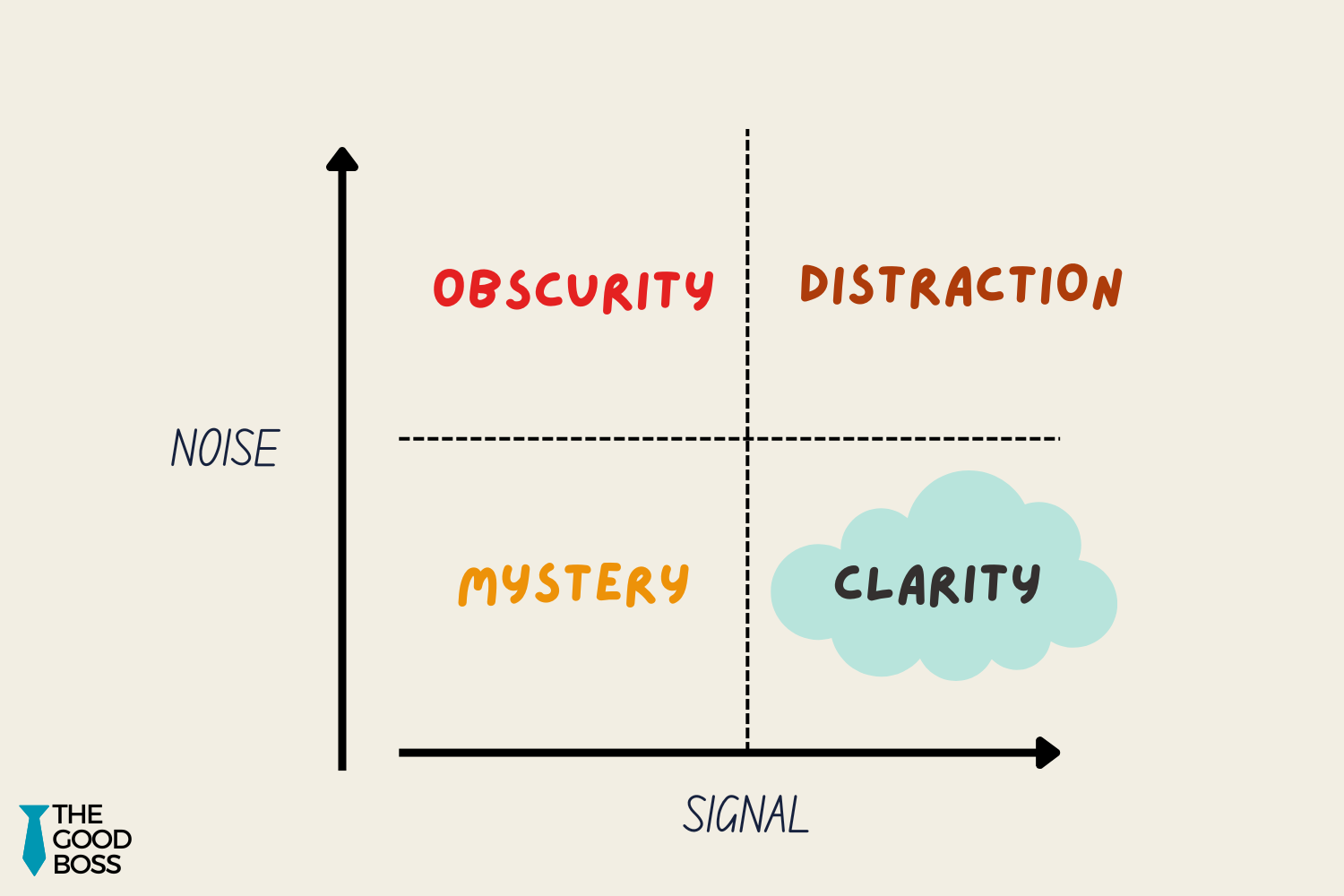
Leaders who can’t tell what matters from the noise get overwhelmed. They burn out themselves and their teams, and still miss the results.
Effective leaders know how to separate the signal from the noise. They practice what I call selective ignorance.
They weigh the urgent against the important, and put their time into the work that pays off the most. They keep their teams focused, and cut out anything that isn’t strategically important.
Try this week:
List everything on your plate right now. Pick three items to drop, delay, or hand off, and tell the people affected today.
Mute every Slack channel you don’t need to act on, and check them once a day instead.
Before you say yes to any new request, ask yourself: “What will I stop doing to make room for this?”
Frameworks to check out:


Habit #4. Embrace Imperfection

Imagine this: your team spends six months building the “perfect product”, and later finds out that nobody wants it.
There was a time when perfection was a symbol of power and quality.
When a leader was seen as ‘perfect’, he would secure his stop at the top of the hiearchy. And in turn, they expected nothing less of their teams.
But the world is a different place today. Markets move fast, and the plan you made in January may no longer be valid in June.
That’s why effective leaders build a habit of shipping early, learning fast, and taking calculated risks. A good-enough version in front of customers teaches you more than a perfect version sitting on your laptop.
Try this week:
Share a rough draft (a doc, a plan, or a deck) with your team when it’s about 60% done, and ask for input before you polish it.
Pick one project and write down what “good enough to ship” means, before the team does any more work on it.
The next time you review someone’s work, give them your one most important piece of feedback, not ten.
Frameworks to check out:


Habit #5. Be Transparent
The corporate world is full of jargon and vague words.
Somewhere along the way, many of us started believing that wishy-washy, abstract language makes us sound smart and “senior”.
Here’s what I’ve noticed: a lot of leaders use jargon to sugarcoat a hard message, or to avoid owning what they’re saying. After all, if nobody understands the sentence, nobody can hold you to it. Right?
Effective leaders do the opposite. They choose open and honest communication, even when it’s uncomfortable or inconvenient.
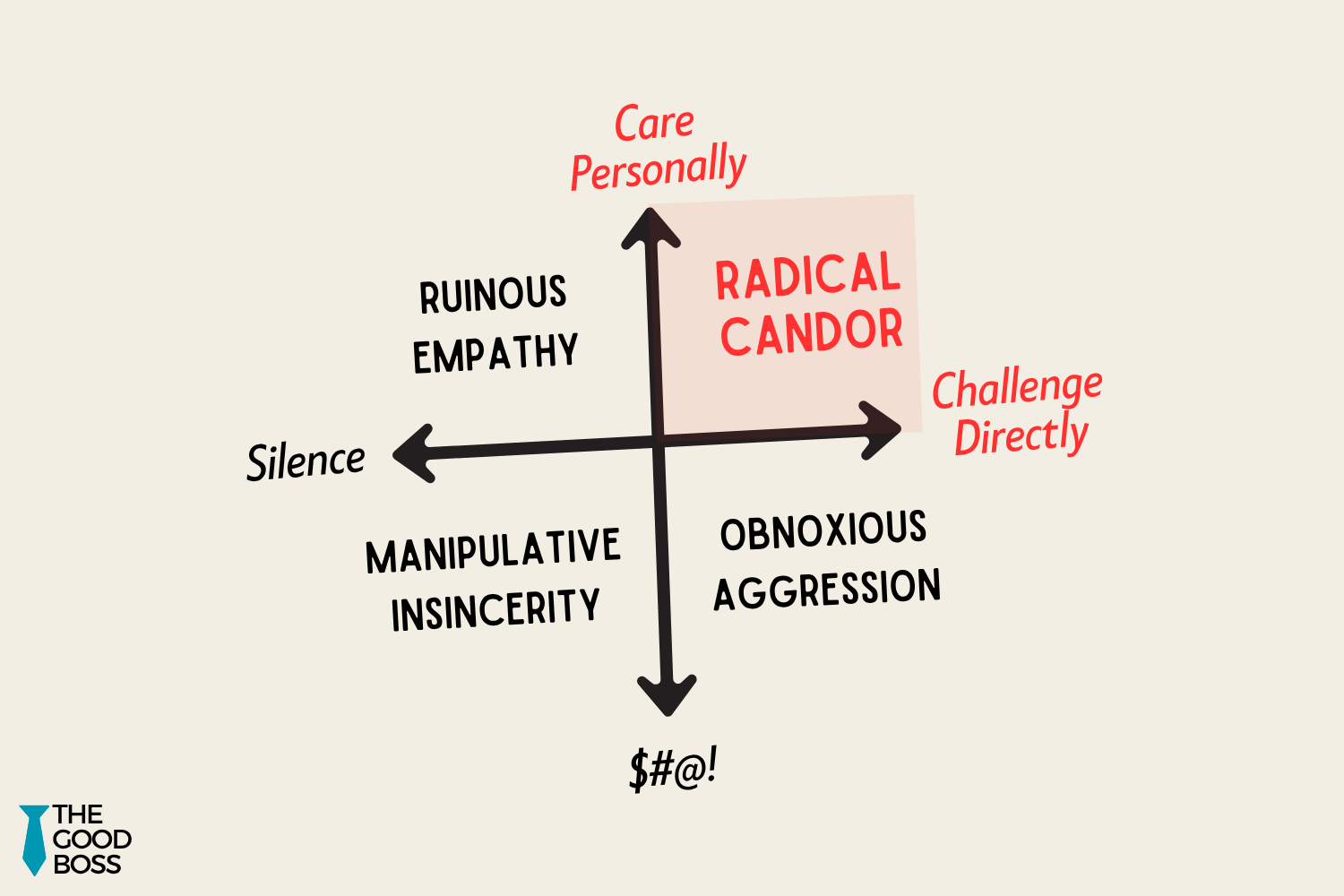
Kim Scott, a former executive at Google and Apple, built a whole framework around this called Radical Candor: caring personally while challenging directly. (see deep-dive link below).
When leaders are transparent, feedback starts to feel like a gift instead of a threat. And that’s when teams start getting better every week.
Try this week:
In your next team meeting, share one piece of context you’d normally keep to yourself, like why a decision was made or what senior leadership is worried about.
Reread the last three emails you sent your team. Rewrite any sentence that hides behind jargon.
When you have to deliver bad news this week, say it in your first two sentences.
Frameworks to check out:


Habit #6. Cultivate Empathy
Leaders today are under constant pressure from competitors, customers, and most of all, their own bosses.
I’ve seen that pressure weighing on them, and almost turning them into results machines.
Some of the top tech companies are notorious of such a cut-throat culture. Such leaders embrace the hustle, and ignore their own (and their team’s) physical, mental, and emotional well-being.
The most effective leaders I know see it differently. To them, well-being is a necessity, and it’s what keeps a team going for the long haul.
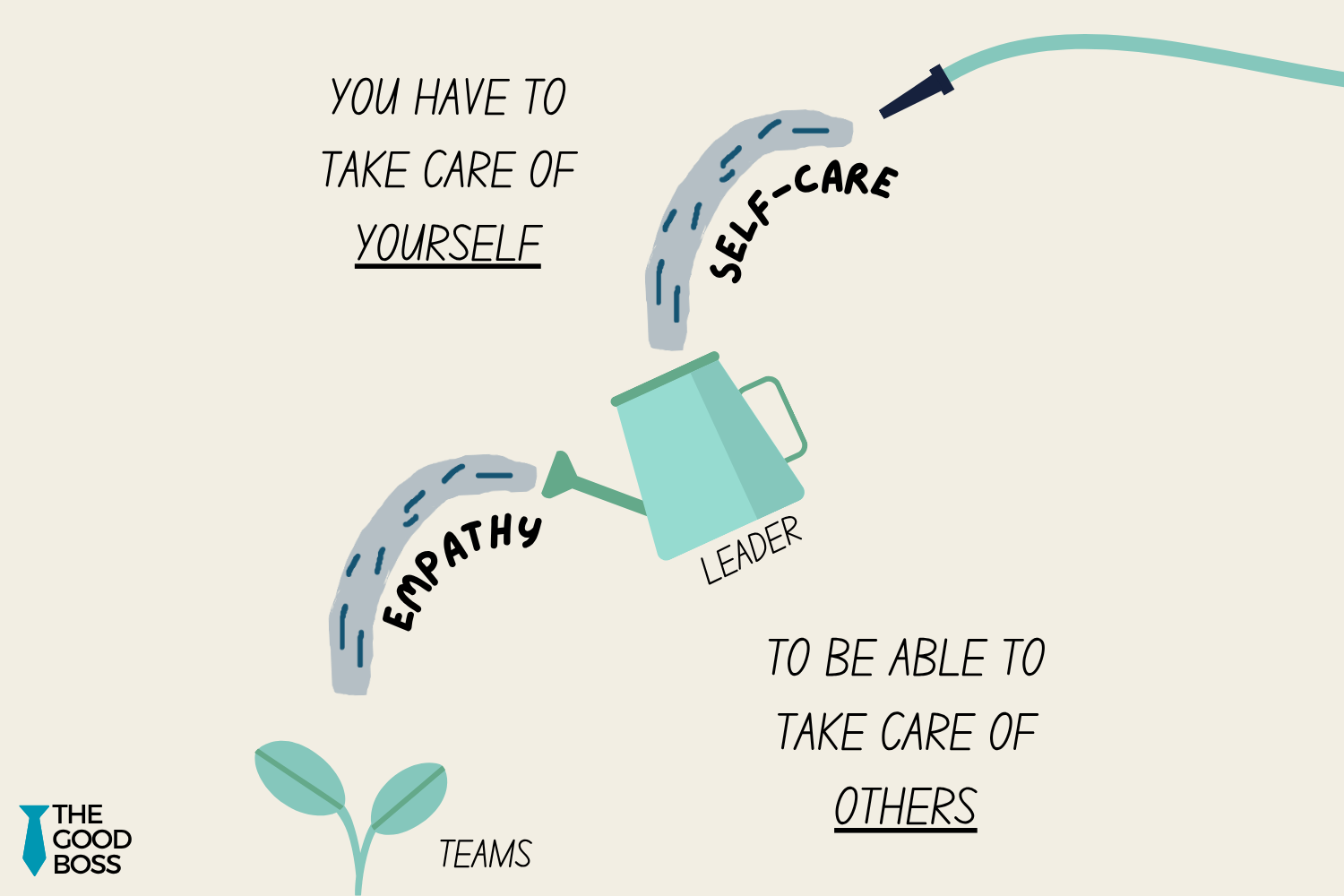
They also know that they have to take care of themselves before they can take care of anyone else. That’s why self-care and empathy go hand in hand.
Try this week:
Send two personal thank-you notes to people who did something specific and good. Name exactly what they did.
Start your next three 1:1s with “How are you doing, really?” and don’t move to project updates until you’ve listened.
Block one evening this week with no email or Slack, and tell your team you’re doing it, so they feel free to do the same.
Frameworks to check out:


Habit #7. Embrace Change
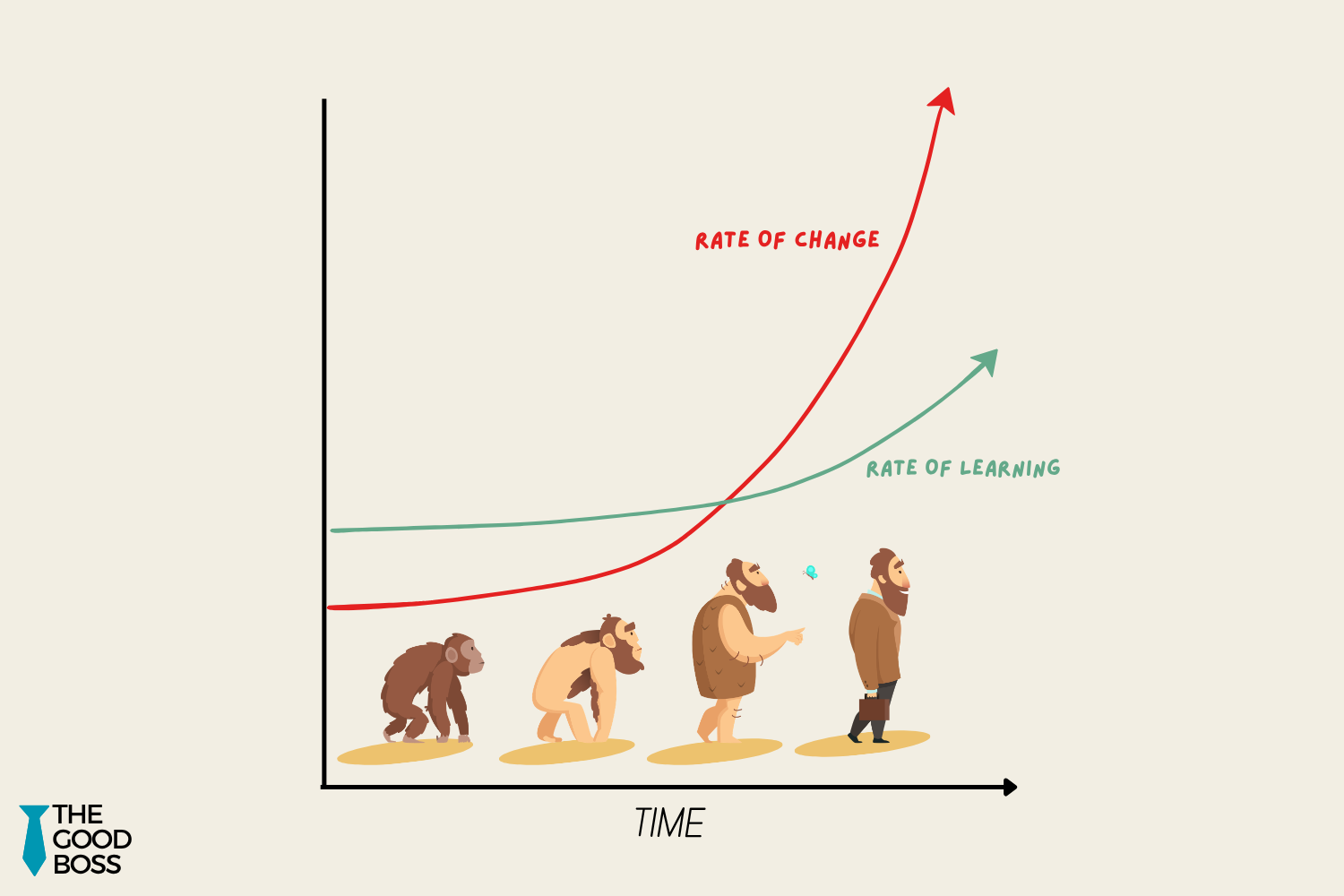
Think about how much your job has changed in the last five years.
Now think about the next 2-3 years, especially with the evolution of AI and what it’s able to do.
That’s the speed at which the world is moving.
In such a rapidly changing environment, leaders who resist the change will fall behind. They risk becoming obsolete, and taking their teams down with them.
On the other hand, leaders who embrace change stay agile. They keep adjusting their strategy as the board shifts, the same way a good chess player does.
Try this week:
Name one thing your team does only because “that’s how we’ve always done it”. Ask the team in your next meeting whether it still deserves a place.
Spend 30 minutes trying one new AI tool on a real task from your own week.
Ask each of your direct reports: “What’s one change coming in our industry that we’re not ready for?”
Frameworks to check out:


In Summary: The 7 Habits
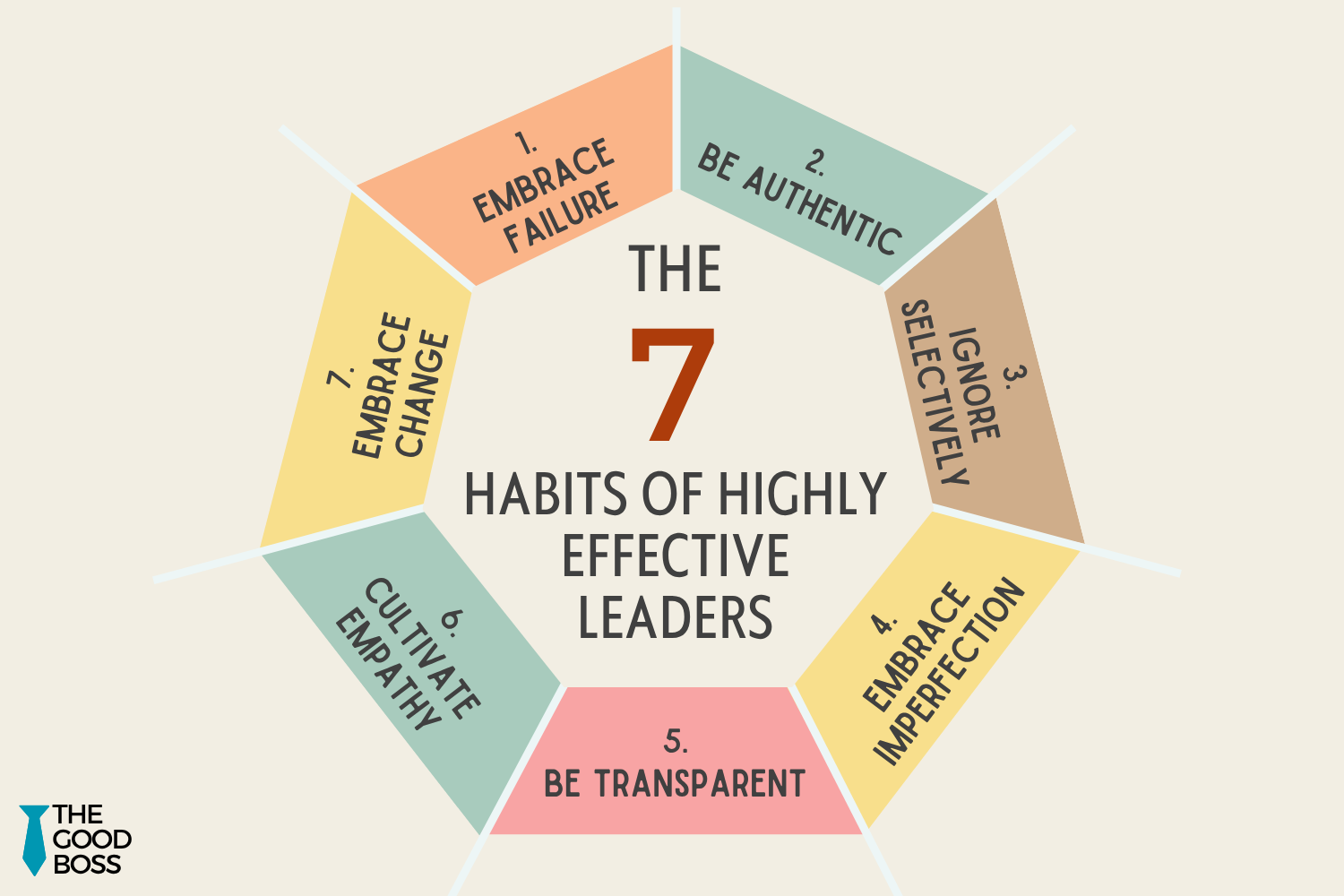
When we think of effective leaders, we picture visionary, charismatic, and assertive.
But the habits that really set them apart are less obvious, and often a little unconventional:
Embrace Failure. They treat failure as a stepping stone, not something to hide.
Be Authentic. They are unapologetically themselves.
Ignore Selectively. They choose what to ignore as carefully as what to work on.
Embrace Imperfection. They ship early, learn fast, and keep adjusting.
Be Transparent. They say hard things plainly.
Cultivate Empathy. They take care of their teams, and themselves.
Embrace Change. They keep evolving before the world forces them to.
💬 Which habit are you picking up this week? Let me know in the comments!
❤️ Found this helpful?
If you found this post helpful, please like and share it with other managers who can benefit from it, including your boss :) If you have any feedback, please drop your comment below - it helps me keep improving the content. Thank you!
💬 Join the conversations
Join The Good Boss community if you’re tired of leadership content that sounds good but doesn’t work when you’re actually in the room.
No performative LinkedIn BS. Just real stuff.


The problem is, that it not a quote by Jobs. It was from Apple's 1997 Think Different marketing campaign. Richard Dreyfus did the voice over. It was written by Rob Siltanen and Ken Segall of Chiat Day advertising agency. It was inspired by the writings of Jack Kerouac. In fact, when they ran it by Jobs, he called it "shit." Jobs was a hard-driven, no-bullshit guy, and kind of an asshole. Not an exemplary leader.